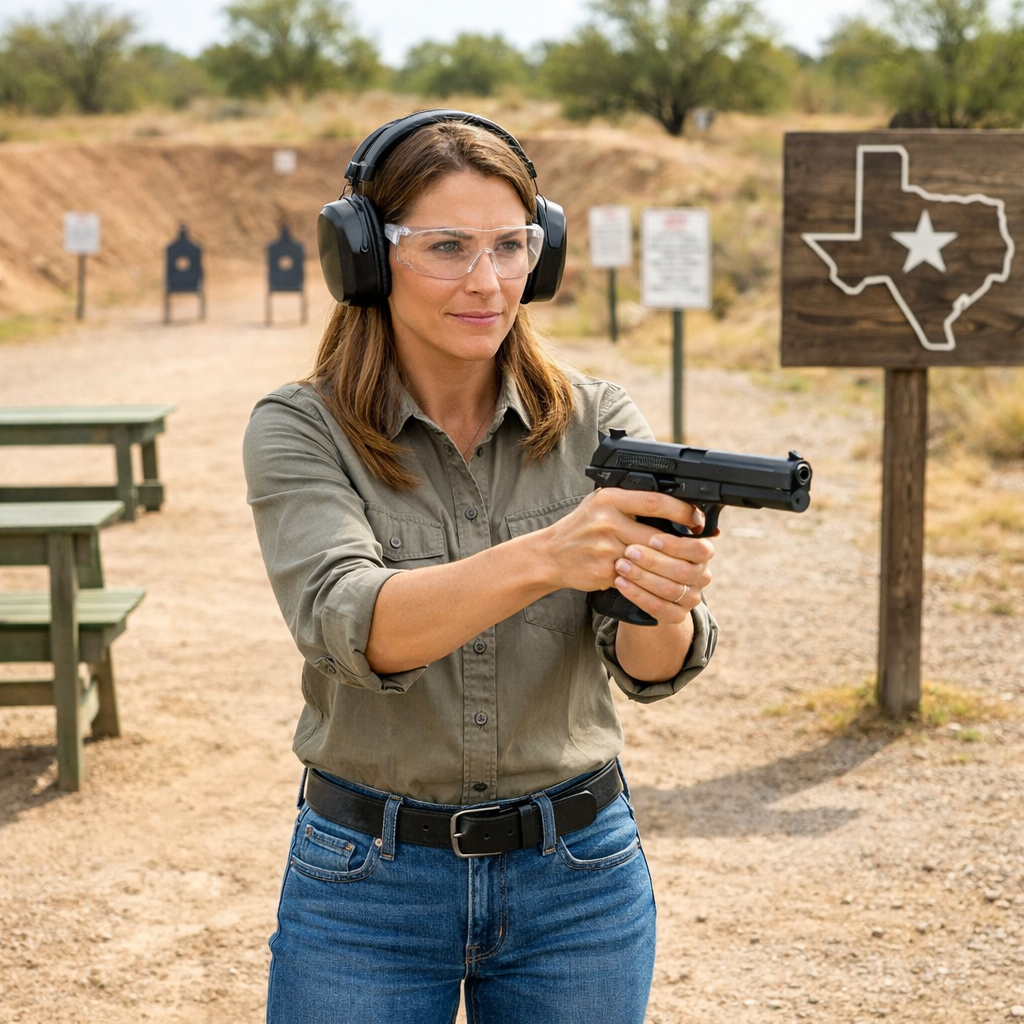
Choosing a firearms instructor in Texas requires careful consideration to ensure safe, effective, and legally compliant training. Whether you are a first-time shooter, seeking a Texas License to Carry (LTC), or pursuing advanced skills, the following guide outlines key factors to select the right instructor.
1. Clarify Your Training Goals
- Beginner training: Focus on firearm safety, grip, sight alignment, trigger control, range etiquette, loading/unloading, and basic marksmanship.
- Texas LTC course: Verify the instructor is currently certified by the Texas Department of Public Safety (DPS) to provide the state-required classroom and range instruction.
- Experienced shooters: Identify instructors who specialize in advanced skills, accuracy improvement, tactical drills, or defensive training.
2. Verify Credentials and Experience
- Licensing & certification: Confirm the instructor holds appropriate credentials: DPS LTC certification, NRA, USCCA, IALEFI, or recognized law enforcement/military instructor backgrounds.
- Relevant experience: Look for instructors accustomed to teaching your skill level. Being a veteran, competitive shooter, or experienced gun owner does not automatically qualify someone for instructing beginners.
- Continuous education: Experienced instructors often update their training by attending additional courses, participating in competitions, or engaging in ongoing professional development.
3. Evaluate Teaching Style
- Student-focused instruction: The instructor should adapt lessons to your skill level without rushing or creating intimidation.
- Clear communication: Effective instructors explain not just what to do, but why it matters, emphasizing muzzle discipline, trigger discipline, and consistent grip.
- Constructive correction: Mistakes should be addressed safely and respectfully, without public humiliation.
4. Assess Safety Standards and Range Procedures
- Supervision: Instructor must actively supervise the firing line and provide clear safety rules.
- Preparedness: Ask if the instructor provides eye/ear protection or guidance for bringing your own firearm.
- Structured environment: Range procedures should ensure safety, including handling malfunctions, managing novice shooters, and providing comprehensive student support.
5. Consider Class Size, Duration, and Costs
- Small groups or private lessons: Better for beginners seeking one-on-one guidance.
- Transparent pricing: Include range fees, ammunition, rental firearms, and qualification costs in total assessment.
- Course duration and schedule: Ensure sufficient time for both classroom and range portions relevant to your training objectives.
6. Research Reputation
- Reviews and testimonials: Look for comments that describe patience, safety emphasis, clear instruction, and ability to teach beginners.
- Community feedback: Ask law enforcement, local clubs, and peers for personal recommendations.
- Professional conduct: Evaluate how the instructor or business responds to concerns or issues.
7. Watch for Red Flags
- Safety warnings: Instructors who downplay safety, make unrealistic promises, or rush the learning process are not trustworthy.
- Equipment pressure: Avoid instructors who push unnecessary gear purchases before demonstrating fundamentals.
- One-size-fits-all methodology: Avoid programs that do not adapt to different skill levels or experiences.
8. Prioritize Convenience Without Sacrificing Quality
- Select instructors who are geographically accessible for consistent training.
- Flexible courses combining online instruction with in-person range sessions may aid busy schedules.
- Ensure hands-on supervision is effective during live-fire portions, even if the classroom is virtual.
9. Additional Tips
- Observe classes if possible: Evaluate safety, instruction clarity, and class atmosphere before enrolling.
- Confirm certifications: Always verify DPS or national instructor credentials online or through official documentation.
- Plan for ongoing growth: A quality instructor encourages continued training beyond the initial course.
Conclusion
Choosing the right firearms instructor in Texas is crucial for developing skills safely and responsibly. Prioritize:
- Verified credentials
- Safety-first teaching
- Student-centered instruction
- Clear communication and constructive feedback
- Transparent course structure, cost, and schedule
- Excellent reputation and responsiveness
By carefully evaluating these factors, you can select an instructor who not only meets legal requirements but also fosters confidence, competence, and longevity in your firearms training journey.
References for Further Information